
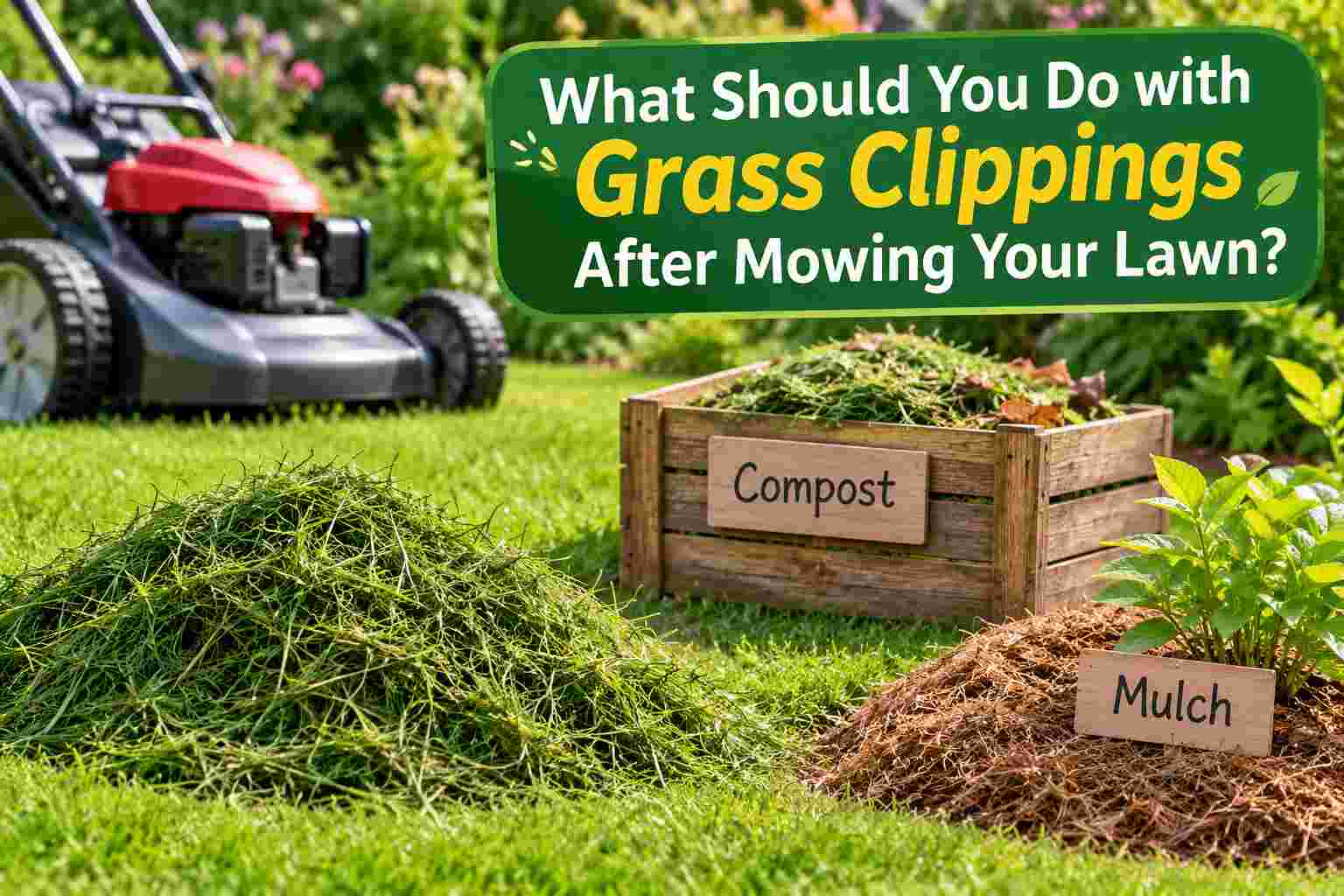
What Should You Do with Grass Clippings After Mowing Your Lawn?
HBS-login2026-11-20T10:50:26+00:00Once you have mowed your lawn, one of the questions you might want to ask yourself is what to do with the grass that remains. Should you dispose of it, leave it where it is, or put it elsewhere in the garden? Luckily, the truth is that grass clippings are not necessarily meant for disposal. When used in an appropriate way, grass clippings can serve a number of purposes. They provide nutrition to soil, which helps other plants thrive. Still, too much use of them in inappropriate places can cause trouble. Knowing about the different Uses of grass clippings will allow you to minimize garden waste.
Why Should You Reuse Grass Clippings?
Grass clippings have nutrients such as nitrogen, which plants require for good growth. The nutrients are returned into the soil as the clippings decompose. Thus, rather than putting all of them into the bin, one can recycle appropriate clippings in the garden.
Additionally, recycling of the grass clippings lowers the amount of biodegradable waste that is disposed of. Recycling may help in retaining soil moisture and increasing organic matter in the soil. Nevertheless, the clippings must be healthy and without any chemicals.
5 Useful Ways to Reuse Grass Clippings in Your Garden
There are several practical Uses of grass clippings that homeowners can try without buying additional gardening products.
1. Add Them to Your Compost Pile
Grass clippings are a useful green material for composting because they contain nitrogen. However, fresh clippings should not be added in thick layers. Instead, mix small amounts with brown materials such as dry leaves, shredded cardboard or small twigs.
This balance supports decomposition and helps prevent unpleasant smells. Turn the compost occasionally so that air can circulate properly. Once fully decomposed, the compost can be added to garden soil.
2. Use Dried Clippings as Mulch
Dried grass clippings can be spread around trees, shrubs and garden plants as organic mulch. They help reduce moisture loss from the soil and can limit weed growth.
However, make sure the clippings are completely dry before applying them. Also, use a thin layer rather than creating a thick mat. A heavy layer may become compacted and prevent water and air from reaching the soil.
3. Return Them to Your Lawn
If your lawn is healthy and the grass has been cut regularly, you can leave short clippings on the surface. They gradually break down and return nutrients to the soil.
This practice is sometimes called grasscycling. However, it works best when the clippings are spread evenly. Long, wet or clumped grass should be collected because thick piles can cover the lawn and affect healthy growth.
4. Mix Them into Garden Soil
Small quantities of dried or partially decomposed clippings can be mixed into garden soil to add organic matter. Nevertheless, avoid mixing large amounts of fresh grass directly into planting areas. During decomposition, fresh material can become compacted and may temporarily affect the availability of nitrogen.
For better results, compost the clippings first and then mix the finished compost into the soil.
5. Use Them Around Trees and Shrubs
Dried clippings can also be used around established trees and shrubs. They help cover exposed soil, reduce evaporation and gradually release nutrients.
Keep the material a few inches away from tree trunks and plant stems. This allows air to circulate and reduces the risk of excessive moisture collecting around the base.
When Should You Remove Grass Clippings?
Not every batch of clippings should be reused. For example, remove them when the grass is excessively long, wet or diseased. Similarly, clippings from lawns recently treated with herbicides or other chemicals should not be used around edible plants unless the product label confirms that reuse is safe.
If you notice thick piles after mowing, collect them rather than leaving them on the lawn. This simple step helps prevent uneven coverage and possible damage to the grass underneath.
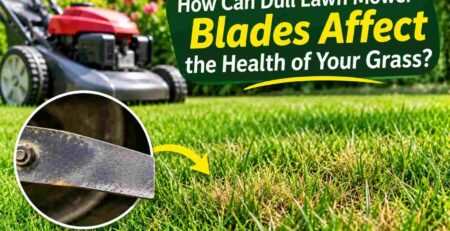
If you are also interested in how mowing equipment affects lawn health, read our related blog: How Can Dull Lawn Mower Blades Affect the Health of Your Grass
Common Mistakes to Avoid
Even useful Uses of grass clippings can create problems when the material is handled incorrectly. Keep these points in mind:
- Do not spread thick layers of fresh clippings over garden beds.
- Avoid adding large quantities of wet grass to compost at once.
- Do not use visibly diseased clippings as mulch.
- Never pile clippings directly against plant stems or tree trunks.
- Avoid leaving long clumps across your lawn after mowing.
A little care can make grass recycling easier and more effective.
Make Better Use of Your Lawn Waste
Grass clippings can be more useful than they first appear. Whether you add them to compost, use them as mulch or leave short clippings on a healthy lawn, the right method can reduce waste and support better soil health. However, always consider the condition of the grass before reusing it.
At Bablu Farm and Nursery, we believe that proper lawn care involves more than regular mowing. Small maintenance habits can make a noticeable difference to the appearance and health of your outdoor space.
For guidance on natural grass and lawn care, Contact Us at Bablu Farm and Nursery.
You can also visit our Google Business Profile to learn more about our services.
Frequently Asked Questions
Yes. As they decompose, grass clippings add organic matter and return nutrients, including nitrogen, to the soil.
Yes. They can be added as green material, but should be balanced with dry leaves, cardboard or other brown materials.
Yes, if the grass is healthy, dry and cut regularly. Short, evenly spread clippings can break down naturally.
It depends on moisture, temperature, airflow and the size of the clippings. Thin layers usually break down faster than thick, compacted piles.
Thick, wet piles can create unpleasant smells and may attract unwanted insects. Keep clippings dry, spread them thinly and maintain good airflow.




Leave a Reply